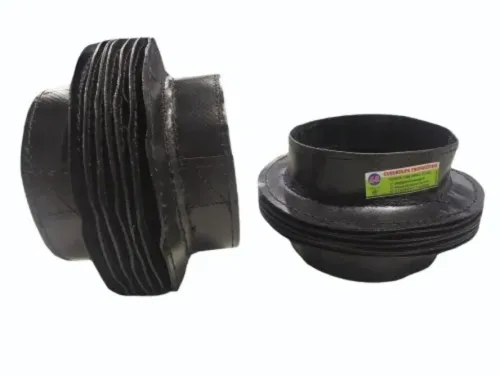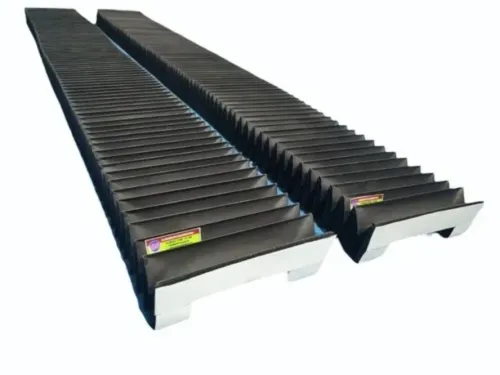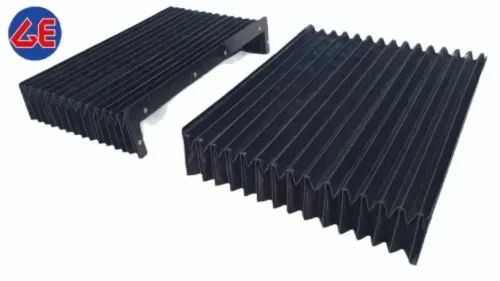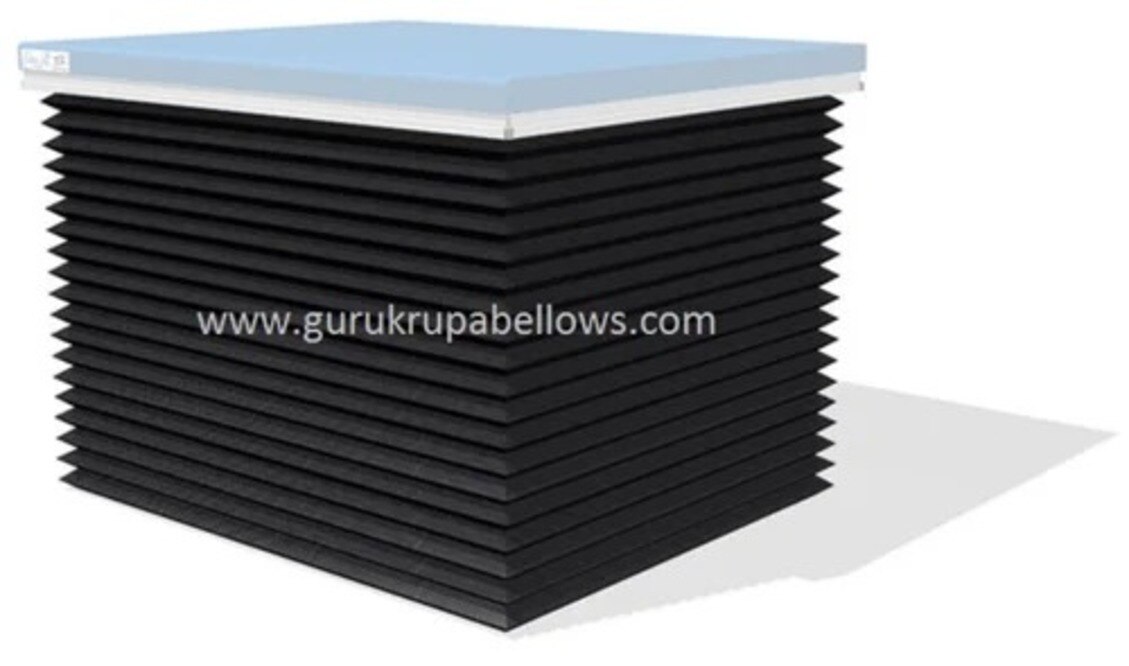
A scissor lift bellow cover fails early when folding cycles, contamination, heat, or installation geometry exceed its design limits. By inspecting the cover through the full lift stroke, cleaning it correctly, recording operating conditions, and replacing it when protection or movement is compromised, you can reduce avoidable cylinder contamination and unplanned downtime.
Key takeaways
- Track full-stroke cycles alongside cracks, abrasion, heat damage, and contamination.
- Clean folds without sharp tools, solvents, or pressure that forces debris deeper.
- Confirm material, clearances, mounting, and compression before returning the lift to service.
- Replace covers with unsafe tears, exposed moving parts, or repeated fit failures.
Measure Service Life by Cycles and Condition, Not Calendar Age
A calendar date cannot tell you when a scissor lift bellow cover has reached the end of its life. Build the scissor lift bellow cover service for life routine around recorded full-stroke cycles, operating conditions, and inspection findings.
Log cycles from the lift controller or a manual counter, then establish a baseline after the first month of normal use.
Inspect the cover each shift and clean it at an interval set by chip and coolant loading. Inspect immediately after any abnormal event.
- After a spill, collision, overload, or unusually hot cycle, check fold roots, seams, mounting points, and cylinder clearance before operation.
- Remove chips and coolant without forcing debris into the folds; use a soft brush or low-pressure air directed away from seals.
- Do not apply grease or oil to fabric folds unless the cover maker specifies the product; lubricant can swell the substrate and hold abrasive dust.
- Record cycle count, cleaning date, damaged areas, and photographs so deterioration is compared against its earlier condition.
Replace the cover when it loses contamination protection, exposes reinforcement, repeatedly opens at a seam, restricts travel through permanent deformation, or continues rubbing after alignment correction. A small puncture can receive a compatible patch, but that repair does not restore fatigue life when fold roots, fabric, or seams have hardened or degraded.
Include avoided guideway, sensor, and bearing downtime when comparing scissor lift bellow covers benefits.
Use a Full-Stroke Inspection and Cleaning Checklist
Inspect the cover through the complete lift stroke, not only when fully extended. During scissor lift bellow cover maintenance, isolate power, secure the platform, and inspect at minimum, maximum, and intermediate heights; damage can hide inside compressed folds or appear only as the scissor mechanism changes angle.
1. Move the lift slowly through its full travel. Watch for pleat collapse, stretching, snagging, cylinder contact, pinch points, and rubbing against the frame.
2. Examine fold roots, pleats, stitched or welded seams, seals, and guide strips. Mark cracked or hardened fabric, pinholes, delamination, torn pleats, pulled stitching, oil swelling, heat damage, and shiny abrasion tracks.
3. Check mounting frames, brackets, fasteners, and guide elements for looseness, distortion, corrosion, or shifting. Tighten hardware only after confirming it does not restrict movement.
4. Remove chips, dust, and pooled coolant with a soft brush or vacuum. Use the cover material’s approved cleaner; avoid knives, metal scrapers, solvents, and high-pressure jets aimed at seams.
5. Dry the folds fully and record date, cycle count, stroke positions, defects, contamination, cleaning method, and photographs. Repeat after a spill, collision, overload, or unusually hot cycle.
6. Never force a stuck fold, kneel on the cover, or lubricate fabric unless its manufacturer specifies it. The scissor lift bellow covers benefits include avoided downtime and faster replacement access, but trapped chips and continuous rubbing erase those gains.
Match Materials and Protection to the Actual Working Environment
Scissor lift bellow covers benefits include shielding guideways, bearings, sensors, screws, and cylinders from contamination, but the wrong material defeats that protection. Sharp chips, weld spatter, side loading, misalignment, repeated over-compression, excessive extension, oil swelling, coolant pooling, ultraviolet exposure, and temperatures beyond the material rating shorten life.
Match the fabric coating, elastomer, seams, and heat resistance to the actual contaminants and temperature, not the purchase price.
| Option | What it means | When it applies |
|---|---|---|
| Accordion bellow | Flexible, folding protection that follows scissor movement | Choose it for changing gaps, articulated lift geometry, and frequent full-stroke movement where chips, dust, or splash threaten moving parts |
| Telescopic cover | Rigid sliding sections that resist impact and heavy chip loads | Choose it for straight, supported guideways with predictable travel and enough space for nested sections |
| Exposed cylinder | No dedicated cover around the moving component | Use only where the cylinder sits in a clean, shielded area and contamination cannot reach its rod or seals |
A bellow is the wrong method where hot weld spatter, heavy falling objects, abrasive chip impact, or standing fluid will attack it faster than it can flex. Use a rigid guard, deflector, enclosure, or drainage arrangement instead.
Never let a bellow trap coolant or chips against the frame; continuous rubbing and pooled fluid erase its protective value.
Verify Fit, Clearances, and Installation Before the Lift Runs
Measure the cover’s installed length, width, compressed stack height, attachment-centre spacing, and minimum fold radius at minimum, intermediate, and maximum lift heights. Record the scissor arms’ changing angle and every interference point, then include these readings in scissor lift bellow cover maintenance records.
- Extend and retract the lift slowly while watching fold roots, seams, guide strips, and mounting frames. The cover must not become drum-tight at full extension or buckle into arms, cylinders, sensors, or pinch points when compressed.
- Check equal side clearances throughout travel, not only at the top and bottom. A shiny rub mark, trapped chip, or uneven fold stack identifies contact that can stretch fabric and open seams.
- Confirm attachment plates are parallel, fasteners are tight, and guide elements run straight without forcing the cover sideways. Leave enough clearance for thermal expansion and debris removal.
- Secure hoses, cables, and loose hardware outside the cover’s moving envelope. A snag can pull a seam apart in one cycle.
| Condition | Correct check | Failure prevented |
|---|---|---|
| Full extension | No tension at end travel; folds remain open | Stretching and pulled seams |
| Full compression | No buckling into mechanisms; fold radius remains intact | Pleat collapse and abrasion |
| Intermediate travel | No side rubbing or snagging | Restricted travel and hidden damage |
Run the lift unloaded after installation, then repeat with its normal load and observe the entire motion. Stop immediately if the cover twists, catches, or changes the lift’s travel.
Decide When Repair Is Safe and When Replacement Is Necessary
A lightly polished pleat is normal wear if the fabric remains flexible, reinforcement stays covered, stitching is intact, and the cover moves without rubbing. Inspect it through full extension, compression, and intermediate heights; fold-root fatigue can remain hidden when the bellow is fully open.
Stop the lift and isolate its energy before further movement if you find:
- Exposed reinforcement, a torn pleat, a hole that admits chips or coolant, or repeated seam separation.
- Permanent deformation that restricts travel, buckles into the scissor arms, or contacts a cylinder, sensor, or frame.
- Rubbing that persists after correcting alignment, loose mounting hardware that cannot hold position, or heat, oil, or coolant damage that has hardened or swollen the material.
| Condition | Repair is reasonable | Choose scissor lift bellow cover replacement |
|---|---|---|
| Small puncture | Patch it with a compatible repair method, then check full travel | Replace when punctures recur or contamination reaches reinforcement |
| Local seam opening | Restitch or reinforce after finding the cause | Replace when seams repeatedly reopen |
| Pleat wear | Repair only while fabric remains flexible and folds keep their shape | Replace when fold roots crack, harden, or permanently collapse |
| Surface rubbing | Correct clearance and monitor movement | Replace when interference cannot be eliminated |
A repair does not restore original fatigue life. Choose scissor lift bellow cover replacement when protection, travel, or material integrity is compromised; this supports a practical scissor lift bellow cover service for life routine and avoids guideway or sensor contamination.
Prepare a Complete Replacement Request for a Chennai Supplier
Send a Chennai supplier a measured replacement brief, not only a photograph. For a scissor lift bellow cover in Chennai, include the lift model, cover location, cylinder or guideway protected, mounting method, material and chemical exposure, operating temperature, cycle frequency, and photographs showing damage and attachment points.
1. Record the cover’s overall length at full extension and compression, width, height, pleat count, fold radius, frame dimensions, hole pattern, fastener type, and seal details. Measure clearances at minimum, intermediate, and maximum lift heights, including pinch points and interference with arms, sensors, cylinders, and the machine frame.
2. Require a dimensioned drawing for approval before fabrication. It must show compressed and extended dimensions, material construction, temperature and chemical limits, attachment hardware, and travel clearance. Ask how the supplier will prevent over-compression, stretching, coolant pooling, and chip entry.
3. Before delivery, require identification of the finished cover, inspection records, packaging that prevents fold damage, and installation instructions. Agree on an installation-fit check through the complete stroke and define acceptance criteria for rubbing, snagging, restricted travel, and seam defects.
GURUKRUPA BELLOWS PVT LTD can use this information to distinguish a true scissor lift bellow cover replacement from a generic cover that fits only at one height.
Related products
 | Bellow Cover ₹5000 Product Details: Brand GURUKRUPA Color Black-Blue Size Customised With the support of our excellent team workers, we have been delivering the best... View product → |
 | Product Details: Brand GURUKRUPA Color Black-Blue Size Customised With support of our excellent team workers, we have been delivering the best... View product → |
Frequently asked questions
How should you measure scissor lift bellow cover service life?
Record full-stroke cycles and operating conditions, then compare them with inspection findings such as cracking, abrasion, heat damage, and loss of flexibility.
What belongs on a scissor lift bellow cover maintenance checklist?
Inspect every fold and mounting point through the full stroke, remove debris with a suitable method, and check for tears, trapped contamination, rubbing, loose fasteners, and restricted movement.
How do you choose materials for scissor lift bellow covers?
Match the cover material and protection level to actual exposure, including abrasive chips, oil, coolant, heat, sparks, chemicals, dust, and required flexibility.
When should you repair or replace a scissor lift bellow cover?
Repair minor, local damage only when the cover remains flexible and fully protective; replace it when tears expose components, folds bind, mounting fails, or damage returns after repair.
What information should you send to a Chennai supplier for scissor lift bellow cover replacement?
Provide dimensions, photographs, stroke length, folded and extended lengths, mounting details, clearances, operating conditions, material exposure, cycle demands, and the required quantity.