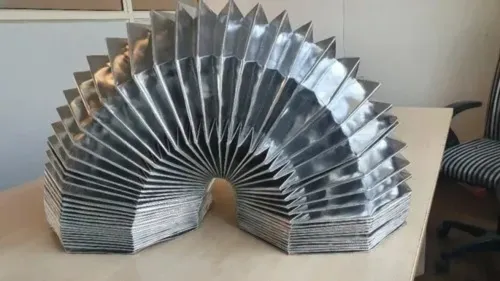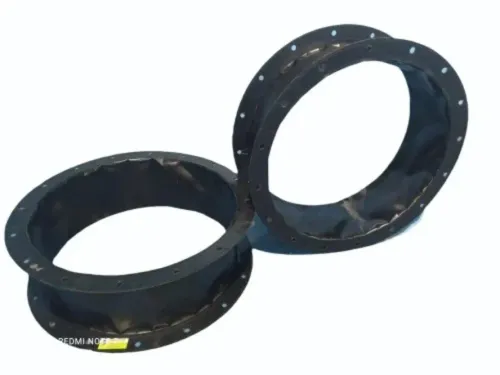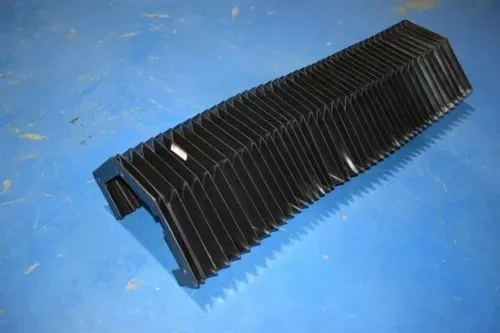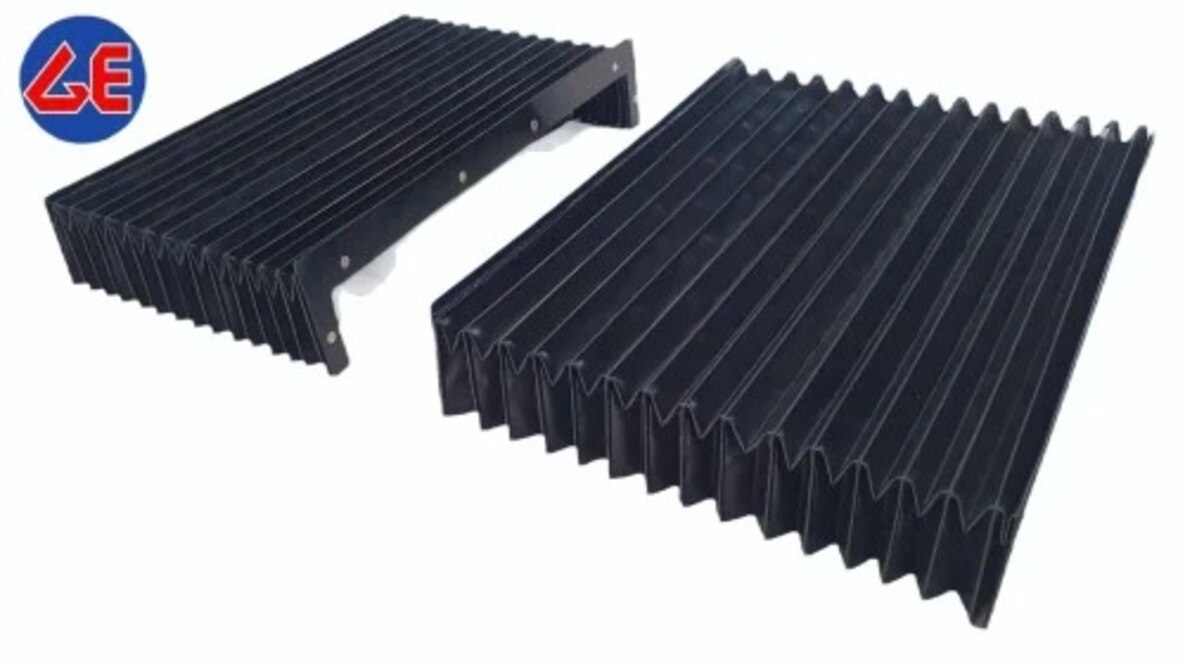
A bellow cover can look sound from the outside while chips, coolant and alignment problems damage its folds and bonded seams underneath. A controlled inspection schedule, safe cleaning method and clear repair criteria will help you protect the cover without forcing it into an early replacement.
Key takeaways
- Set inspections by dust, coolant, heat and idle-time exposure.
- Clean folds outward without forcing chips into bonded seams.
- Test alignment and movement across the complete machine stroke.
- Replace covers when seams fail, layers separate or patches restrict movement.
Build a maintenance schedule around the machine’s working conditions
Set thermally bonded bellow maintenance intervals by exposure, not by the calendar alone. Fine shop dust, humid monsoon air, heavy coolant use and long idle periods justify more frequent checks.
- Daily: Before production, look for chips, pooled coolant, oil, pinholes, lifted seams, frayed edges and distorted pleats. Jog the machine through its complete stroke at low speed and watch for rubbing, catching, sideways pull or folds leaving their intended geometry.
- Weekly: Remove accumulated debris and clean the cover using the approved method, then dry the folds before shutdown. Check that mounting plates, frames and fasteners remain tight, and record any new contamination or staining.
- Monthly: Examine every thermal seam, fold, edge and mounting point closely. Look for delamination, exposed reinforcement, hardened coating, loose hardware and repeated contact with guideways or machine structures; compare the folded height and alignment with the installation record.
- After a crash, coolant leak or abnormal movement: Stop and isolate the machine before inspection. Photograph each damaged area, identify the fluid and concentration involved, and check for a cut through a fold, open seam, detached plate or exposed reinforcement.
Increase the frequency when a coolant formulation, cleaning chemical, operating temperature or machine speed changes. A small tear in a non-load-bearing outer flap can receive a supplier-approved temporary patch with a defined reinspection date; open seams, fold cuts and repeated rubbing require factory repair or replacement, not routine cleaning.
Clean folds without driving chips into the bonded seams
Lock out the machine before cleaning, and inspect the cover fully extended and fully compressed. The compressed position often reveals trapped chips, coolant residue, cracked folds, abrasion and seam damage hidden when the cover is open.
Remove chips and abrasive dust before wiping. Lift debris from each fold with a soft brush, lint-free cloth or suitably filtered low-pressure vacuum; work outward from the seam rather than scraping across it. A screwdriver can cut the coating, while a high-pressure air gun can drive chips into the bonded seam or stretch the fabric.
Apply a mild, manufacturer-approved detergent with a water-compatible cloth or sponge. Do not flood the folds or force liquid toward a seam. Rinse away detergent residue with clean water, then leave the cover fully open until it is completely dry before compressing or restarting the machine.
Cleaning thermally bonded bellows is also a compatibility check. Record the coolant or cutting-fluid type, concentration, temperature and any formulation change; a cover that tolerated one fluid can swell, harden, crack or delaminate after another is introduced.
For thermally bonded bellow cover care, do not use:
- Strong alkaline cleaners
- Chlorinated solvents
- Aggressive degreasers
- Abrasive pads
- Unapproved solvent mixtures
Stop cleaning if a thermal seam is lifted, a bond has opened, fabric has delaminated or reinforcement is exposed. Cleaning cannot make that structural damage permanent; arrange factory assessment, repair or replacement.
Identify chemical attack, heat damage and contamination-related failure
Treat any new coolant or cleaning chemical as a compatibility event, not merely a cleaning task. Record the fluid name, concentration, temperature, detergent and formulation changes; a cover that survived one cutting fluid can swell, harden or crack after another.
- Coolant: Stop the leak, remove residue with the approved mild detergent, and inspect folds and seams for swelling, softening or lifted bonds.
- Cutting oil: Wipe it off promptly. Do not apply extra oil, grease or silicone spray; oily fabric retains abrasive chips and can alter the coating.
- Hydraulic oil: Trace the leak and check for softened coating, blisters and delamination. Replace the cover if the reinforcement is exposed.
- Welding spatter: Keep the cover away from the weld zone. After shutdown, let spatter cool; do not pull hot droplets from the fabric or bonded seam.
- Hot swarf: Isolate the machine, allow debris to cool, then lift it out without scraping or stretching the folds. Inspect for pinholes and scorched areas.
- Alkaline cleaning fluids: Do not use strong alkaline cleaners, aggressive degreasers or unapproved solvent mixtures. Rinse accidental exposure promptly and dry the cover fully in its open position.
A cracked or opened thermal seam is structural damage, not a cosmetic mark. Record photographs, the exposure, temperature and fluid details, then request factory assessment for repair or replacement. That is essential thermally bonded bellow cover care.
Check movement, alignment and mounting through the complete stroke
A cover is folding freely when every pleat opens and compresses without rubbing, catching, twisting or pulling the mounting plates sideways. Run the machine through its full stroke at low speed under controlled conditions; keep hands clear and stop immediately if the cover becomes stiff, noisy, slow or difficult to compress.
Check these points at full extension, mid-stroke and full compression:
- Watch for a pleat folding outside its designed geometry, bunching on one side or flattening against an adjacent fold.
- Look for contact with guideways, brackets, fastener heads, wipers, cable carriers, hoses or guards.
- Confirm that mounting frames remain square and that bolts, clamps and fasteners stay tight through movement.
- Check the folded height and available clearance; a thicker replacement fabric or incorrect mounting position can create interference at compression.
- Look for sideways tension, lifting corners or a mounting plate that shifts as the axis moves.
- Listen for scraping and compare movement speed and motor load with the normal cycle.
Do not force a cover through a tight section. Packed chips, hardened coolant, distorted folds, guide interference or an external hose load can turn one rubbing point into a cut or open thermal seam. Record the stroke, folded height, mounting arrangement, operating speed and photographs from several positions for thermally bonded bellow maintenance.
A front-face photograph alone will not show the clearance or alignment that caused the damage.
Decide when a patch is temporary and when service or replacement is required
A small tear confined to a non-load-bearing outer flap can be isolated with a supplier-approved repair patch, but treat it as temporary containment. Mark the repair date and inspect it at a defined interval; do not let a patch become a permanent bellow-cover maintenance solution.
Escalate to a bellow cover maintenance service when you find:
- An opening thermal seam, delamination, pinhole, exposed reinforcement or frayed edge
- A cut through a fold, distorted pleat geometry or a detached mounting plate
- Repeated rubbing against a guideway, fastener or frame at the same location
- A loose frame, missing fastener or sideways pull caused by misalignment
- Swelling, hardening, cracking or coating loss after a coolant, oil or cleaning-fluid change
Stop the machine and request factory repair or replacement when a fold is torn, the seam carries load, reinforcement is exposed, the cover catches during its stroke, or debris can reach the protected guideway. Continued cycling can turn a repairable defect into damage to the machine.
A service request should include the stroke length, cover dimensions, folded height, mounting arrangement, operating speed, temperature, fluid type and concentration, plus photographs of every damaged area. GURUKRUPA BELLOWS PVT LTD can assess the failure more accurately when those measurements accompany the photographs.
The practical answer to how to maintain thermally bonded bellow covers in bangalore also includes shorter inspection intervals during humid monsoon periods, heavy coolant use and long shutdowns. Dry compressed folds before storage.
Related product
 | Thermally Bonded Bellows ₹1000 Product Details: Brand GURUKRUPA Color BLACK & OTHER Size ALL On offer from us is available Thermally Bonded Bellows for the clients. View product → |
Frequently asked questions
How often should you inspect a thermally bonded bellow cover?
Set inspection intervals by working conditions. Fine dust, heavy coolant use, humid monsoon air and long idle periods require more frequent checks than clean, dry operation.
How do you clean thermally bonded bellows without damaging them?
Remove loose debris before wiping the folds, work outward from the seams, and avoid driving chips, sludge or high-pressure fluid into bonded joints.
What signs indicate chemical attack or heat damage?
Look for swelling, hardening, discoloration, cracking, softened material, blistering, exposed reinforcement and seams that lift or separate.
When should you repair or replace a bellow cover?
Use a patch only for limited, non-structural damage when movement remains unrestricted. Arrange service or replacement when bonded seams fail, layers separate, mounting shifts or the cover cannot complete its stroke.