Chips, abrasive dust, coolant residue and monsoon moisture attack a telescopic cover in different ways, so cleaning alone will not prevent every failure. You will be able to inspect the cover safely, identify the cause of a fault, and decide whether it needs a wear-part repair or a correctly specified replacement.
Key takeaways
- Inspect closed sections before every shift and lock out power before reaching inside.
- Remove Chandigarh dust and coolant without forcing folded sections or trapping moisture.
- Repair loose fasteners and guides; replace covers with torn bellows or damaged frames.
- Record closed length, travel, width, height and mounting details before ordering.
Build a shift-by-shift inspection and cleaning routine
Before each shift, stop the machine and inspect the cover from the closed position. Lock out power before reaching near sections, guides or end frames; never test movement with hands inside the mechanism.
- Remove chips, abrasive dust and dried coolant from the cover top, overlaps, guideways and end frames with a vacuum or soft brush, working away from the sliding gaps. Do not blast compressed air into the overlaps.
- Wipe residue with a lint-free cloth and a cleaner approved for the cover’s wipers, seals and coating. Keep drain holes open.
- Jog the axis slowly through its normal stroke. Stop if the cover scrapes, knocks, ratchets, hesitates, changes section spacing, increases motor load or fails to close fully.
- Lubricate only the guide rails, rollers or points named by the cover manufacturer. Apply a thin film, then wipe off excess; oil on a dirty sliding surface turns chips into grinding paste.
- After a coolant spill, washdown or collision, inspect the lowest points and drainage path, dry trapped water and check for loose fasteners or lifted wipers before restarting.
Repeat this visual and movement check every shift. Clean at least weekly in dusty service, and shorten that interval for continuous operation, heavy chips or abrasive coolant. Record a detailed inspection monthly: photographs, stroke behaviour, drain condition, wiper wear and fastener security.
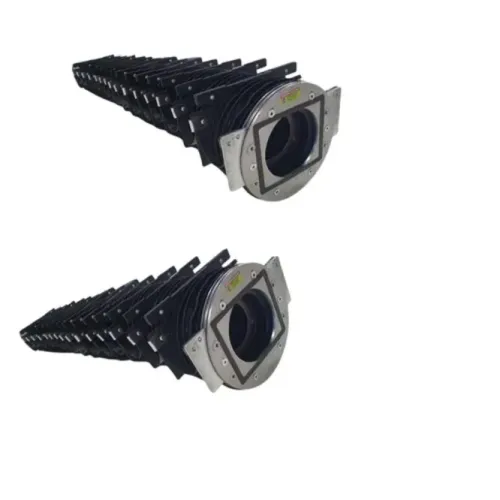
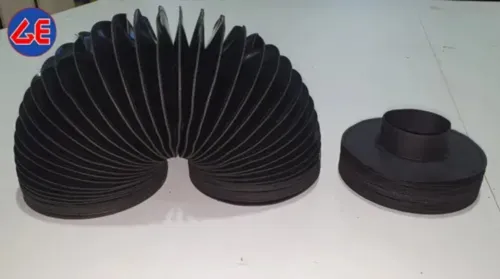
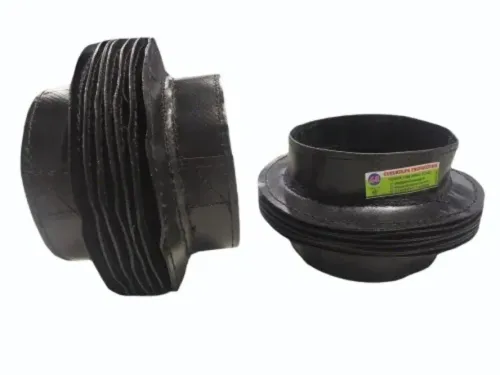
This documented telescopic bellow cover care makes recurring faults visible before force damages the cover.
Read the warning signs before a small fault becomes a crash
A scraping sound does not identify the fault by itself. Stop the axis and inspect where the noise, resistance or uneven movement begins; forcing the cover can turn a trapped chip into a dented section or torn wiper.
1. Look for chips, abrasive dust or dried coolant on the cover top, overlaps, guideways and end frames. A trapped chip usually causes a sharp scrape or tight spot that changes after careful removal. Clean with the sections open only as far as safe, then test the full stroke without forcing it.
2. Suspect poor lubrication when movement feels dry or jerky but the sections remain straight, evenly overlapped and free of debris. Apply lubricant only at the specified points and use the cover or machine-builder instruction to identify the product and quantity. General-purpose grease can hold abrasive chips or damage elastomers.
3. Treat uneven extension, one side leading the other, changing gaps, knocking and persistent resistance after cleaning as alignment or guide trouble. Check loose fasteners, lateral play, damaged rollers and guide faces; do not continue production until the cause is found.
4. A bent cover leaves a visible crease, raised corner, reduced overlap or a section that will not close fully. Never hammer it straight while installed over a precision guideway. Remove it for a straightness and interference check through the complete stroke.
After a collision, record the fault location, closed and extended dimensions, and photographs of every section and mounting face. A cover that still moves can hide damaged stops, brackets or guides.
Adapt care to Chandigarh dust, monsoon moisture and coolant
Dry dust and metal chips need a different response from monsoon water and coolant. Before cycling industrial telescopic covers in Chandigarh, vacuum or brush debris from the top, overlaps, guideways and end frames; trapped chips can dent panels, lift wipers and cause binding. Do not blast contamination into sliding sections with uncontrolled compressed air.
- Dusty service: Clean at least weekly, and more frequently near construction or fabrication work. Apply only the lubricant specified for the guides, rollers or bearings, using a thin film; excess oil turns abrasive dust into grinding paste.
- Monsoon service: Inspect the lowest points, overlaps and drain paths after every washdown or heavy rain exposure. Remove blockages, open the sections for drying, and correct retained water before applying lubricant. External oil cannot protect metal hidden under trapped moisture.
- Coolant service: Wipe residue from panels, wipers, seams and fasteners before it dries. Record the coolant brand, dilution and cleaning chemical, then confirm compatibility with the cover’s wipers, seals, coatings and bellows material. Swelling, softening, cracking or sticky surfaces indicate a chemical mismatch.
After a spill, rinse only with a cleaning method approved for the cover materials, then dry the drain points and cycle the cover slowly while observing leaks or scraping. Shorten inspection intervals when abrasive coolant, continuous operation or frequent washdown combines with Chandigarh’s seasonal moisture.
Choose repair or replacement from the actual damage
Repair is worth pursuing when the damage is local, the cover still moves squarely, and every section keeps its designed overlap. Choose replacement when the structure has lost its geometry; a repaired wiper cannot correct a twisted guide rail or distorted box.
| Damage pattern | Best decision | Why |
|---|---|---|
| Worn wipers, loose fasteners, broken springs, rollers or guide elements | Repair | These are replaceable wear parts when the sections remain straight. |
| One damaged panel or localized seam | Repair or specialist assessment | A panel repair works only if mounting faces and neighbouring sections remain true. |
| Several distorted sections, twisted guide rails or cracked seams | Telescopic bellow cover replacement | Restoring smooth travel becomes unreliable when the load path is bent. |
| Perforated sheet from corrosion, or failed overlap through the stroke | Replacement | Gaps admit chips, coolant and moisture, defeating the cover’s purpose. |
| Scraping, knocking or uneven travel after a collision | Specialist assessment | Hidden damage at stops, brackets or guides can cause a second crash. |
For telescopic bellow covers repair in Chandigarh, send the service provider:
- Photographs of every section, the machine axis and both mounting faces, plus closed and fully extended dimensions.
- The symptom, its exact location in the stroke, coolant type, cleaning chemicals and details of any recent collision.
- The machine’s travel speed, acceleration and exposure to chips, dust, coolant or monsoon moisture.
GURUKRUPA BELLOWS PVT LTD can use this evidence to separate a wear-part repair from a geometry problem before workshop inspection. Do not order a telescopic bellow cover replacement from outside dimensions alone.
Related products
 | Telescopic Bellow Cover ₹1000 Product Details: Brand GURUKRUPA Ours is a distinguished name in the business that manufactures and supplies Telescopic Bellow Cover that is vastly... View product → |
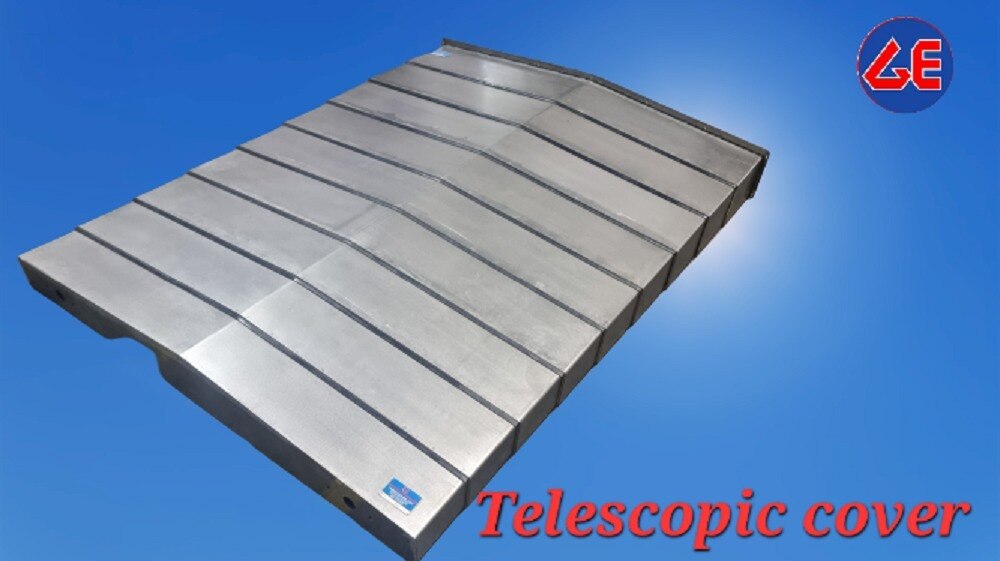
 | Steel Telescopic Cover Product Details: Brand GURUKRUPA Our company is considered a renowned name in the field that manufactures and supplies Steel Telescopic Cover. View product → |
Measure the machine before ordering a replacement cover
Measure the machine in its actual installed condition, not from the old cover’s label or outside dimensions. Record the cover fully closed and fully extended; compressed sections, damaged stops and nonstandard brackets can make the machine drawing’s nominal stroke wrong. Photograph every mounting face, bracket and guideway.
- Record overall width, height, closed length, extended length, usable stroke, section overlap, mounting-hole centres and fastener sizes.
- Map the guideway geometry, including rail spacing, obstructions, wiper contact surfaces and clearance at both ends of travel.
- Measure travel speed, acceleration, cycle frequency and any impact during reversal. Note where scraping, binding or uneven extension occurs.
- Identify chips, abrasive dust, coolant, oil, tramp oil, monsoon water and cleaning chemicals, then record the operating temperature range.
| Data group | Fit or survival risk | What to submit |
|---|---|---|
| Dimensions | Wrong envelope causes collision or incomplete closure | Closed and extended measurements |
| Motion | Excess speed or acceleration damages guides, rollers and overlap | Axis speed, acceleration and stroke cycle |
| Exposure | Corrosion, swelling or abrasion shortens service life | Coolant, oil, chemicals, dust and temperature |
| Interfaces | Misaligned brackets twist the cover | Photos, hole pattern and guideway layout |
For telescopic bellow covers for maintenance in chandigarh, include photographs of every section and the machine axis with the order. State whether a collision, coolant spill or recent repair preceded the failure.
If multiple boxes are distorted, rails are twisted, seams are cracked or sheet corrosion has perforated the cover, request a specialist assessment instead of copying the old dimensions.
Frequently asked questions
How often should you inspect a telescopic bellow cover?
Inspect the cover from its closed position before every shift, then clean and check its movement during scheduled maintenance.
What warning signs indicate telescopic bellow cover damage?
Look for scraping, uneven section movement, torn bellows, loose fasteners, damaged guides, gaps and coolant or dust inside the cover.
How should you care for telescopic covers in Chandigarh?
Remove dust regularly, clear coolant before it dries, inspect for monsoon moisture and dry trapped water before closing the cover.
Should you repair or replace a telescopic bellow cover?
Repair loose hardware, guides and minor fastening faults; replace the cover when bellows, frames or sliding mechanisms have structural damage.
What measurements are needed for a telescopic bellow cover replacement?
Record the machine travel, closed length, extended length, cover width, cover height, section count, mounting points and available clearance.
Related products
 | Telescopic Cover Product Details: Brand GURUKRUPA Being one of the trustworthy names of the industry, we bring forth CNC Telescopic Cover that can be availed at... View product → |
 | Telescopic Cover ₹5000 Product Details: Brand GURUKRUPA Being one of the trustworthy names of the industry, we bring forth CNC Telescopic Cover that can be availed at... View product → |
 | CNC Telescopic Cover Product Details: Brand GURUKRUPA Being one of the trustworthy names of the industry, we bring forth CNC Telescopic Cover that can be availed at... View product → |
 | Industrial Telescopic Covers Our company is known as one of the eminent names of the industry to manufacture and supply Industrial Telescopic Covers. View product → |