
Choosing between a fabric bellow, metal guard, or complete enclosure depends on the debris, heat, motion, and laser hazard reaching each part of the machine. By the end, you will be able to match protection to the hazard, specify measurable operating limits, check the installation dimensions, and test the finished assembly before approving it.
Key takeaways
- Match fabric bellows to dust and light chips; choose metal for sparks, slag, heat, or impact.
- Combine fabric and metal protection when a guideway faces both contamination and hot debris.
- Specify material, temperature, travel, speed, acceleration, and clearance before ordering.
- Test the cover through the complete stroke for rubbing, gaps, binding, and heat damage.
Match the protection to the hazard, not the machine name
Choose the protection by the material and energy reaching the axis, not by whether the machine is called a laser cutter. A fabric bellow suits dust, light chips and guideway contamination; metal protection suits hot slag, sparks, impact and abrasive swarf. Combining both is safer when contamination and heat occur together.
| Option | What it handles | When it applies |
|---|---|---|
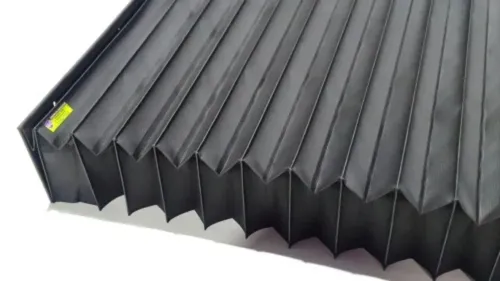
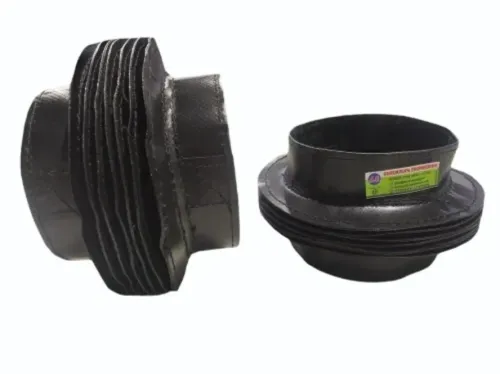
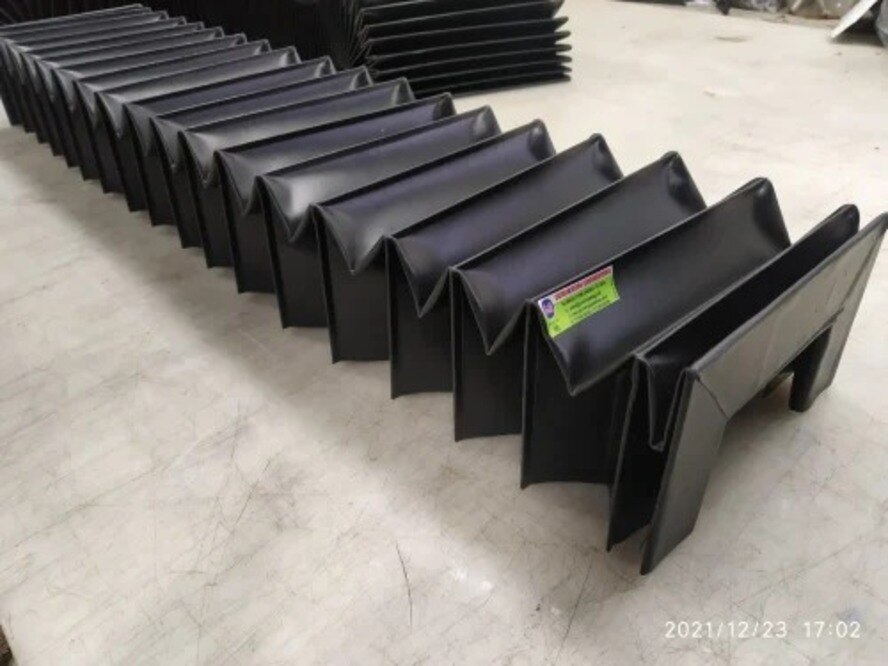
| Fabric bellow cover | Dust, fine particles, light oil and low-impact debris | Use where low moving mass and high axis speed matter |
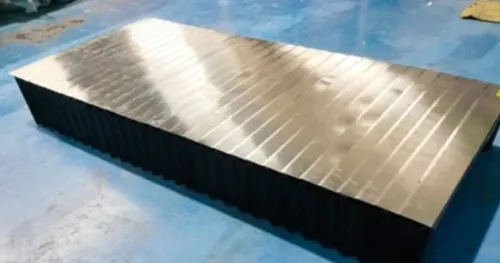
| Metal flap bellow | Sparks, hot chips and intermittent radiant heat | Use where a flexible cover needs added heat and puncture resistance |
| Stainless-steel apron | Molten spatter, sharp chips and repeated impact | Use above a horizontal guideway exposed to severe process debris |
| Telescopic steel cover | Heavy chips, impact and concentrated hot waste | Use when the axis can carry added mass and inertia |
| Full machine enclosure | Laser radiation, fumes, sparks and operator access hazards | Use only as part of a risk-assessed, interlocked enclosure |
Laser cutting machine bellows do not replace fume extraction, filtration or airflow control. A metal guard blocks debris but is not a beam stop or laser-safety enclosure; Class 4 equipment requires assessment of direct and reflected radiation, fire, access doors and service openings under ISO 12100 and ISO 14120.
Check fabric, seams and coatings against ignition, coolant, cleaning chemicals and laser residues. Choose laser machine bellow covers for way protection, then use a separate enclosure strategy for people and the process zone.
What metal protection covers—and what it does not
A stainless-steel slat, flap bellow, or telescopic cover primarily shields the guideway, ballscrew, rack, and drive components from hot chips, sparks, slag, abrasive dust, and impact. It protects the bellow when metal sections take the abuse instead of fabric folds. It does not automatically protect the laser head, operator, or machine enclosure.
| Option | What it protects | What it does not provide |
|---|---|---|
| Fabric bellow cover | Guideways and drives from dust, fumes, and light debris | Reliable resistance to molten spatter, sharp chips, or laser radiation |
| Metal flap bellow | Guideways and the bellow from sparks, hot particles, and abrasion | A certified beam barrier or complete operator guarding |
| Stainless-steel apron or telescopic cover | Guideways from heavy chips, impact, and radiant heat | Protection of the laser head unless the head is separately guarded |
| Full machine enclosure | Operator and surrounding area from beam access, motion, fumes, and fire hazards | Automatic protection of internal guideways without fitted internal covers |
Treat metal laser machine protection as a moving-way component, not a laser-safety enclosure. A sheet-metal guard can stop chips while remaining unsuitable as a beam stop or interlocked enclosure for the laser wavelength and hazard class.
Metal sections also add mass and inertia, which can reduce acceleration or increase guide and drive loads. Keep process extraction separate: a cover limits contamination but does not remove laser plume, gases, or fire risk. Assess doors, service openings, and removable covers under ISO 12100, ISO 14120, and ISO 11553-1.
Specify materials and operating limits before you order
Ask for material data and tested operating limits before choosing laser machine bellow covers or metal protection. A cover rated only by fabric name is not enough: the same aramid cloth can fail when radiant heat, molten spatter, abrasive dust and repeated folding act together.
Request these figures for the complete cover assembly, not just its fabric:
- Continuous and peak temperature, with exposure time and distance from the heat source
- Flame or molten-metal resistance, including the test method, specimen thickness and failure definition
- Abrasion result, flex-cycle count, minimum bend radius and expected service life
- Compatibility with cutting fumes, coolant, oil, cleaning agents and fine dust
- Maximum travel speed, acceleration, cycle frequency and cover mass per metre
- Leakage, end-frame sealing, drainage and pressure-equalisation details
Fabric bellows suit protected guideways where low mass and frequent flexing matter; a metal flap bellow adds resistance to sparks and hot slag but increases inertia. Stainless-steel aprons and telescopic covers tolerate impact and abrasive chips, while a full enclosure addresses beam access only as part of a documented machine risk assessment.
| Option | Obtain before approval | Main limit |
|---|---|---|
| Coated fabric bellows | Temperature, flex cycles, chemical data | Can burn, abrade or wick contamination |
| Aramid or glass-fibre bellows | Flame test, bend radius, coating data | Fibre alone does not prove enclosure safety |
| Metal flap or stainless apron | Grade, thickness, mass, speed and acceleration rating | Added inertia can overload drives |
| Telescopic steel cover | Stroke, impact rating, seal and maintenance data | Binding or trapped debris can damage guideways |
Fume extraction remains separate; laser cutting machine bellows do not replace filtration or airflow control. Check the complete installation against ISO 11553-1, ISO 12100 and ISO 14120.
Measure the machine and prove clearance across the full stroke
A replacement cover fits only when its packed length, working length, height and mounting space match the machine’s complete travel envelope. An adequate stroke alone proves nothing: a bellow that compresses too far can occupy the neighbouring axis space and rub a cable carrier or adjacent cover.
Record these dimensions before requesting a drawing:
- Axis stroke, plus the exact extended length required at maximum travel.
- Compressed length, including folded fabric or metal flaps, not just the supplier’s nominal body length.
- Fold height, cover width, mounting flange dimensions and any bracket or frame allowance.
- Clearance from guideways, ballscrews, racks, cable carriers, laser-head assemblies and adjacent covers.
- Space needed to remove the cover, inspect the guideway and reach lubrication points or service fasteners.
Mount laser machine bellow covers temporarily or model their full envelope in CAD, then check clearance with the axis at both ends of travel and while moving through the complete stroke. Measure the nearest gap, not the average gap; acceleration can pull a flexible cover sideways and expose a tight point.
Check the compressed cover against the neighbouring travel space, then repeat the inspection with cables, hoses, guards and access doors installed. A cover that clears during assembly can block maintenance access or pinch a cable carrier after final installation. Ask the supplier to mark extended length, compressed length and minimum clearance on the approval drawing.
Turn the choice into an acceptance test
Reject a quote that gives only a material name and a cycle-count claim. Require every supplier to run the proposed protection through your machine’s real stroke, speed, acceleration, orientation, debris, coolant concentration and cleaning method.
| Option | Acceptance focus | Evidence to request |
|---|---|---|
| Fabric bellow | Fold temperature, ignition or smouldering, seam failure, coating delamination and chip ingress | Recorded results through the complete duty cycle |
| Metal flap bellow | Added moving mass, fold gaps, mounting loosening and guideway interference | Axis acceleration data and inspection at full compression and extension |
| Stainless-steel apron or telescopic cover | Binding, impact damage, coolant entry and maintenance access | Repeated travel test with actual chips, spray and cleaning |
| Full machine enclosure | Beam containment, access control, fumes and fire protection | Assessment of the completed machine against ISO 11553-1 |
Use identical test conditions when comparing laser machine bellow covers or metal protection. A stainless cover can resist hot slag better than fabric, yet its inertia can reduce acceleration or increase drive and guide loads.
A supplier’s life claim means little unless it states stroke, folded length, fold height, cycle frequency, acceleration, orientation, contamination and minimum bend radius.
Put these results in the purchase specification:
- Record temperature, smouldering, delamination, seam condition, chip ingress, loose fasteners and rubbing after the test.
- Name the coolant concentration, tramp oil, cleaning chemicals and laser residues; check compatibility by immersion or representative cycling.
- Treat a bellow as moving-way protection, not a laser enclosure or beam stop.
Ask GURUKRUPA BELLOWS PVT LTD to document those installation-specific results rather than relying on a generic temperature or material description.
Related products
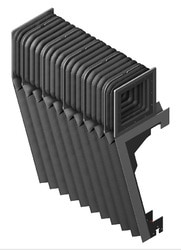 | Laser Cutting Machine Bellows ₹1000 We offer Laser Cutting Machine Bellows made specifically for your laser machine. View product → |
 | Laser Machine Bellows Product Details: Minimum Order Quantity 1 Number Brand GURUKRUPA Color BLACK, SILVER Size ALL Specifications: Capabilities Applied/Processes: Thermal... View product → |
Frequently asked questions
When should you choose laser machine bellow covers instead of metal protection?
Choose fabric bellows for dust, light chips, and guideway contamination when the cover does not face hot slag, sparks, impact, or abrasive swarf.
What does metal protection cover on a laser machine?
Metal protection shields exposed machine parts from hot slag, sparks, impact, and abrasive swarf. It does not automatically seal out fine dust or prevent every contamination path.
What operating details must you specify before ordering laser cutting machine bellows?
Provide the material hazard, temperature exposure, travel length, speed, acceleration, folded height, mounting points, and available clearance.
How do you verify that metal laser machine protection fits correctly?
Run the protection across the full machine stroke and check for rubbing, binding, gaps, overstretching, collision, and damage from heat or debris.