A cylindrical bellow cover can fail even when its dimensions appear correct: packed chips, excessive compression, chemical attack, heat, and offset mounting all create different damage patterns. By the end, you will be able to identify the first failed fold, separate cover damage from machine-alignment problems, and specify a replacement using measurable operating and material data.
Key takeaways
- Match each tear, crack, or separation pattern to its likely operating load.
- Check travel, alignment, clearance, compression, heat, chemicals, and debris exposure.
- Find the first damaged convolution instead of replacing only the visible failed section.
- Specify replacement materials and dimensions from measured failure evidence.
Read the Damage Pattern Before Replacing the Cover
Read the damage pattern before ordering a replacement: it identifies the load that defeated the cover, not merely the place where it failed. Torn folds, cracked fabric or elastomer, delamination, and seam separation point to repeated flexing, incompatible chemicals, heat, or excessive strain; the location narrows the cause.
1. Polished wear tracks and abrasion-through indicate rubbing against a guideway, frame, clamp, or neighboring fold. One-sided cuts indicate misalignment or side loading; offset attachment points add torsion, so one side collapses first and seams fail.
2. Packed chips or metal dust inside convolutions indicate inadequate clearance or cleaning. They wedge folds open, grind the material, and create pinholes. A cover that leaks through pinholes has lost containment, but it may still move normally.
3. Collapsed folds, unequal opening, or gaps during the stroke indicate lost movement rather than a simple leak. The folds no longer open fully; check for bottoming out, twisting, interference, or a cover that is too short.
4. Melted areas and heat-shrunken material indicate thermal exposure from hot chips, sparks, welding, or nearby tooling. Mounting-ring failure points to loose or distorted attachment hardware, excessive pull, or installation force.
For cylindrical bellow cover problems, shut down and isolate the machine, then extend the cover through safe travel. Inspect every convolution, both end attachments, seams, rings, and fold creases; record the first damaged fold and compare it with nearby contact points, debris paths, and machine movement.
Environmental and Operating Loads That Destroy Round Bellows
Sharp chips trapped in convolutions are major round bellow cover failure causes on Washington machinery. Swarf can cut folds from inside, while abrasive metal dust wears fabric, coating, and seams. Coolant, cutting fluid, oil, cleaners, or hydraulic fluid can cause swelling, softening, embrittlement, delamination, or lost coating adhesion.
Treat these as destructive environmental and operating loads:
- Outdoor moisture, condensation, and freeze-thaw cycling
- Ultraviolet exposure
- Hot chips and grinding sparks
- Welding heat and nearby cutting or forming tools
- Tooling that strikes, pinches, or rubs the cover
- Metal dust packed into folds or mounting seams
Sparks and hot particles are not the same hazard as flame exposure. Ask for the exact fabric and coating, maximum continuous temperature, peak-temperature limit, fluid-compatibility data for the chemicals in use, and applicable fire-test evidence such as UL 94 or NFPA 701.
“Temperature resistant” alone does not show whether a cover survives a hot chip, repeated welding heat, or a cutting-fluid bath.
Do not aim compressed air into the folds. A cylindrical bellows for machinery Washington applications is a flexible guard, not a pressure vessel; blow-off can inflate it, force debris into seams, or distort attachments. Use a cleaning method that does not pressurize the cover.
Horizontal installations need support when sag makes folds rub each other or contact the guideway. Check the unsupported span, frame weight, and need for an internal guide before self-rubbing becomes abrasion-through.
Check Travel, Alignment, Clearance, and Compression
A cover that matches the machine’s stroke can still fail because its length, geometry, or mounting alignment is wrong. Use these checks to determine whether the motion is damaging the cover or the cover is restricting the machine.
- Record the collapsed length, extended length, outside diameter, inside diameter, fold height, mounting-face dimensions, and bolt-hole pattern.
- Compare the cover’s rated stroke, travel speed, and acceleration with the machine’s actual values, including rapid moves and emergency stops.
- Measure clearance inside the machine envelope at both travel extremes and through the entire stroke. Include guideways, tooling, clamps, cable carriers, housings, and moving end frames.
Matching only machine travel is insufficient. Exceed the maximum extended length and tensile loads reach the fabric, coating, seams, and attachment frames. Exceed the specified minimum folded length and adjacent pleats rub, bunch, or bottom out, creating abrasion and crease fatigue.
Check that both ends remain coaxial. Offset mounting introduces torsion and side loading; unequal extension shows that one side is collapsing first. Look for hard-stop contact, interference with tooling or cable-management hardware, and a cover that bottoms out before the machine reaches full travel.
A gap during any part of the stroke is a functional failure, even if the cover looks intact. These measurements are essential when evaluating cylindrical bellows for machinery in Washington.
Inspect Every Convolution and Find the First Damaged Fold
A cover that looks intact can still fail functionally: folds may stop opening, or gaps may expose the guideway during part of the stroke. For cylindrical bellow covers failing on machinery in Washington, inspect movement before ordering a replacement; these cylindrical bellow cover problems often begin at one damaged fold.
Shut down the machine, isolate electrical, hydraulic, and pneumatic energy, and prevent unexpected carriage movement. Extend the cover only through its safe available travel, then inspect every convolution from both sides rather than checking only the outer surface.
- Examine both end attachments, mounting rings, fasteners, seams, fold creases, and any place where daylight passes through pinholes.
- Measure collapsed and extended lengths, fold deformation, gap width, and unequal opening from one end to the other.
- Mark and photograph the first damaged fold in the direction of travel; record its distance from each mounting face.
- Compare that location with the machine stroke, tooling, clamps, cable carriers, guideway edges, and nearby hard stops.
- Look for polished rubbing, twisting, side loading, sagging, chip-packed folds, or contact with a frame before full travel.
| First damaged location | Likely evidence | Check next |
|---|---|---|
| Near one mounting ring | Attachment tear or frame-edge stress | Fastener alignment and ring support |
| Middle of the stroke | Rubbing, packed chips, or sag | Clearance and horizontal support |
| End of travel | Overextension or hard-stop contact | Maximum extension and machine limits |
If folds open unevenly or the cover bottoms out before the machine reaches full travel, stop treating an intact-looking surface as proof of protection. A gap that appears at any position is a functional failure.
Specify the Replacement From the Failure Evidence
Choose the replacement from the damage mechanism, not from appearance. Coated fabric suits low-mass, highly flexible covers exposed to abrasive chips, swarf, coolant, oil, and repeated motion; rubber or elastomeric construction suits sealing, washdown, and chemical contact when its compound matches the fluid. Neither choice survives welding sparks or hot particles beyond its stated limits.
| Option | Strengths | Check before specifying |
|---|---|---|
| Coated fabric | Low weight, flexible folds, good movement | Fabric weight, coating type, seam method, reinforcement, continuous and peak temperature limits |
| Rubber or elastomer | Sealing, washdown resistance, selected chemical resistance | Compound, chemical-compatibility data, flex-cycle rating, heat limits, fire-test documentation where required |
Ask for the construction record, not “temperature resistant” on a quotation. Confirm fold geometry, frame design, mounting-ring edge radius and width, and reinforcement around fasteners; a sharp or unsupported ring can tear the attachment while the bellows remains intact.
For a horizontal span, specify an internal guide or external support when sag could cause self-rubbing or guideway contact.
Give the supplier stroke, speed, acceleration, extension and compression limits, and expected motion cycles. Store the cover uncompressed, clean, dry, and away from heat or chemicals; install it without twisting or forcing folds into alignment.
GURUKRUPA BELLOWS PVT LTD is worth evaluating only if its technical review compares the original damage with the machine envelope, duty cycle, environment, and attachment design for cylindrical bellows for machinery Washington. A visually similar cover can reproduce the same cylindrical bellow cover problems.
Related products
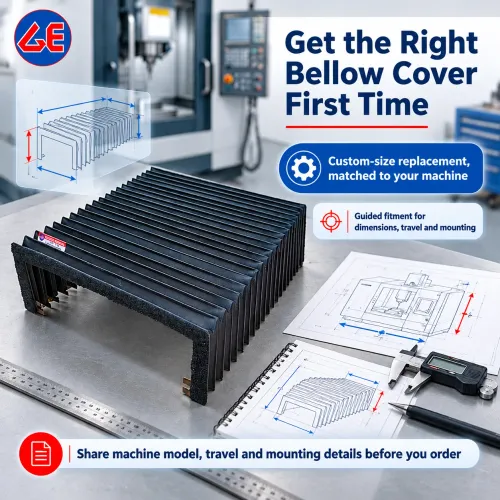
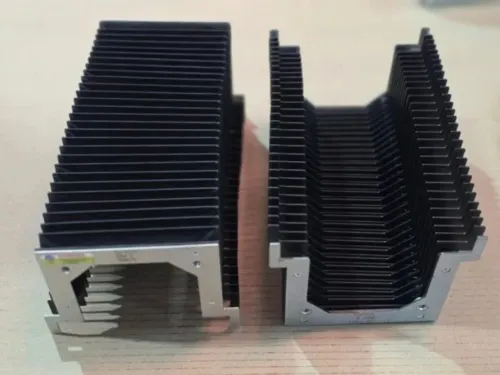
 | Bellow Cover Product Details: Brand GE Color Black-Blue - Gray -White Size ANY ( C shape, Square, Round, Rectangular) Ours is a trustworthy name in the business... View product → |
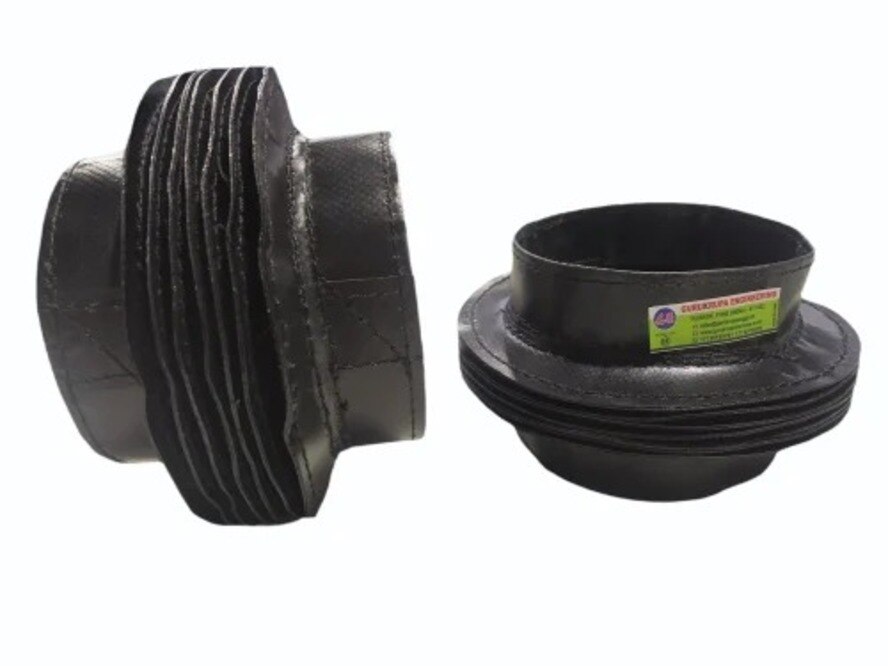
 | Round Bellow Covers To match with our reputation in the market, we are here to present an unparalleled assortment of Round Bellow Covers. View product → |
Frequently asked questions
What do damage patterns reveal about cylindrical bellow cover failure?
Torn folds, cracked fabric or elastomer, delamination, and seam separation indicate different causes, including repeated flexing, chemical incompatibility, heat, and excessive strain.
Which operating conditions destroy round bellow covers?
Heat, chemicals, debris, repeated flexing, excessive travel, misalignment, compression, and inadequate clearance can damage cylindrical bellow covers.
What should you check before replacing a cylindrical bellow cover?
Measure travel, inspect alignment and clearance, verify compression, and examine every convolution to locate the first damaged fold.
How should you specify a replacement cylindrical bellow cover?
Use the failure evidence to select the material, dimensions, travel range, mounting details, and construction needed for the actual machinery conditions.