A loading bellow is more than a flexible cover: it forms the controlled connection between a silo outlet and a tanker while material flows in and displaced air escapes. By the end, you will know how the loading sequence works, which components control dust and overfilling, what operators must inspect, and how to specify or reject a system for your plant.
Key takeaways
- Connect the bellow before opening the silo discharge gate.
- Use abrasion-resistant fabric and reinforced sections where fly ash wears the cover.
- Inspect seals, clamps, folds and support cables before every loading shift.
- Accept a new loading point only after a dust-free trial and emergency-stop test.
What happens at a fly ash loading point, step by step
Fly ash moves from a silo into a tanker by gravity or pneumatic conveying through a connected loading bellow. To understand how fly ash bulk loading for bellow covers work, follow the loading sequence:
1. Position the tanker beneath the silo outlet and apply its parking brake. Align the tanker’s fill port with the loading point, allowing for small positioning errors and the vertical gap.
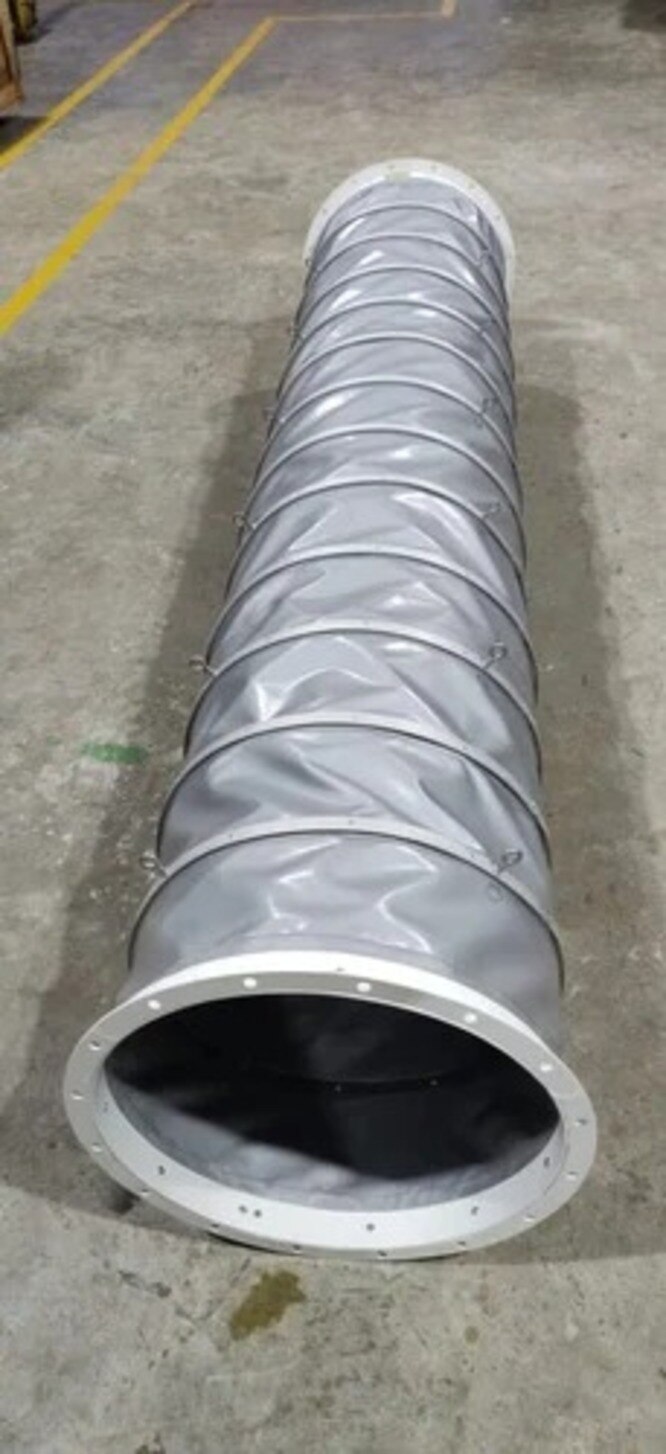
2. Lower the fly ash loading bellow cover onto or into the fill port. Its telescoping fabric or metal-supported sections extend to form a contained path between the fixed outlet and the tanker.
3. Start the dust-extraction fan, then open the slide gate or butterfly valve at the silo outlet. Opening the valve before connection can release a dense cloud of ash.
4. Fly ash falls through the bellow into the tanker. As the tanker fills, displaced air travels back through the bellow’s extraction connection or filter section instead of escaping around the fill port.
5. A level sensor, weight signal, or tanker scale tells the control panel that the target quantity has entered. The panel closes the material valve and stops conveying before overfilling.
6. Allow residual dust to clear, close the extraction path as specified, and retract the bellow. The tanker fill port is then capped.
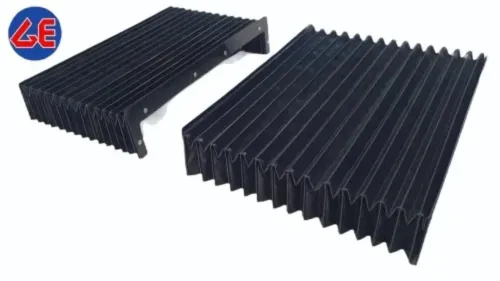
A loading bellow manages solids, displaced air and dust; a machine-tool bellow protects guideways from chips and coolant, so the two covers are not interchangeable.
How the bellow contains dust and controls the loading cycle
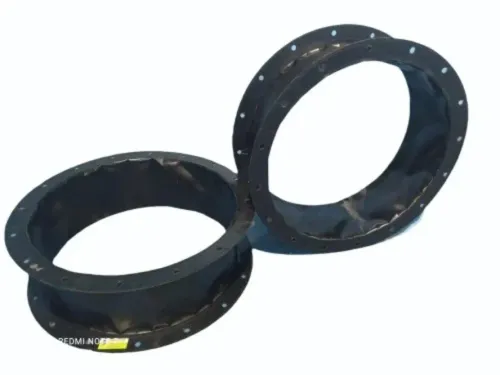
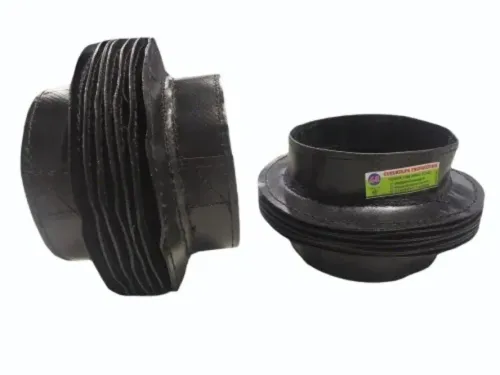
A fly ash loading bellow cover must form a controlled path for both solids and air. Its telescoping sections seal the gap between the silo outlet and tanker inlet, while an extraction connection removes displaced air as ash enters the vessel.
Without that air path, tanker pressure can oppose gravity flow and push dust through gaps around the fill port.
The extraction fan and filter must match the loading rate and displaced-air volume, not just the bellow diameter. Too little extraction creates visible fugitive dust; too much pulls fine ash into the filter, increasing product loss and filter loading.
An external extraction skirt can capture dust from an open spout, while a closed bellow routes air through a filter section.
The control panel links the loading equipment to position, extraction and fill signals:
- A bellow-position switch confirms that the spout is lowered and connected before the material gate opens.
- An extraction-proving switch confirms airflow before discharge starts and closes the gate if airflow is lost.
- A tanker level sensor or load-cell signal stops the slide gate or butterfly valve at the target fill point.
- A high-high level signal provides an independent overfill shutdown and blocks further discharge.
- A gate-closed signal prevents bellow retraction while ash is still flowing.
The controller then closes the material gate, allows residual dust to clear through extraction, and retracts the bellow. These fly ash bellow covers are therefore part of an interlocked loading system, not merely flexible chutes. Enclosure and capture also reduce exposure to respirable crystalline silica and other ash constituents.
Choosing the arrangement for fly ash, temperature and wear
Choose a fabric loading bellow when the loading point needs flexible movement, dust containment and tolerance for a changing gap between the silo outlet and tanker inlet. It suits dry, fine fly ash when the operating temperature remains within the selected fabric, coating and seal ratings.
It is the wrong choice if radiant heat, hot ash contact or sharp, continuous abrasion exceeds those limits.
| Option | Main duty | When it applies |
|---|---|---|
| Fabric loading bellow | Bridges vertical travel, absorbs positioning error and contains displaced dust | Tanker loading with flexible alignment and controlled temperature |
| Metal-supported or telescopic spout | Provides greater shape retention and resistance to heat or impact | Rigid positioning, higher mechanical loads or harsher thermal conditions |
| Machine-tool bellows cover | Shields guideways from chips, coolant, sparks and debris | CNC machines; not bulk-solid transfer |
| Open loading spout with extraction skirt | Directs ash while external extraction captures escaping dust | Loading points designed around a separate dust-collection system |
The wear zone is the lower cone, discharge throat and tanker-contact section. Specify replaceable liners, abrasion-resistant coated fabric or reinforced lower sections; a heavier liner lasts longer but makes retraction harder and reduces flexibility.
Fine ash exposes weak seams and excessive clearance. Give the supplier bulk density, moisture range, loading rate, outlet and fill-port dimensions, vertical travel, operating temperature, extraction arrangement, sensor requirements and expected cycles. Those details distinguish suitable fly ash bellow covers from a generic flexible sleeve or a machine-tool cover.
Operating, inspecting and maintaining the loading bellow
A torn lower cone can release a dense dust cloud before anyone notices the tanker is full. Operators therefore need a written procedure showing how fly ash bulk loading for bellow covers work at each loading point.
1. Before loading, confirm that the tanker is parked, braked and secured beneath the outlet. Check the bellow for tears, detached clamps, collapsed telescopic sections and excessive wear at the lower cone and discharge throat.
Verify that the fill port matches the outlet, the extraction hose is connected, the filter is available, and the level or weight signal is functioning. Test the gate, emergency stop and overfill interlock before opening the silo.
2. During loading, keep the bellow aligned with the tanker inlet; do not pull it sideways to correct vehicle movement. Watch for dust escaping around the connection, abnormal vibration, bridging at the throat, rising tanker pressure or a failed extraction fan.
Stop the material gate immediately if the level or weight signal fails, the bellow lifts from the port, or dust enters the open air. Retract only after flow has stopped and displaced air has cleared.
3. Before cleaning, maintenance or replacement, close and lock the silo gate, isolate electrical, pneumatic and extraction energy, and apply lockout/tagout. Confirm zero pressure, no suspended load and no remaining ash in the bellow or outlet. Wear respiratory, eye and skin protection suited to the site assessment.
4. After fitting a new section, check its travel, seals, liners, clamps and sensor clearance through a dry cycle before loading.
How to compare suppliers and accept a new loading point
Approve a new loading point only after the supplier matches the cover to measured site conditions, not a catalogue size. Record the ash moisture range, bulk density, loading rate, silo outlet diameter, tanker fill-port dimensions, vertical travel, operating temperature, extraction-air volume and expected loading cycles. Include tanker positioning tolerance and available electrical supply.
Request this evidence before fabrication:
- A dimensioned general-arrangement drawing showing the telescoping travel, connection flanges, inspection access and retracted height.
- Fabric, seam, lining and reinforcement data, including temperature limit, abrasion resistance, anti-static construction and grounding method.
- An extraction calculation based on loading rate and tanker displaced-air volume, plus filter rating, pressure-drop limit and fan specification.
- Ash composition, respirable crystalline silica information and dust-hazard assessment; use these to decide bonding, grounding, filtration and explosion protection.
- Factory inspection records for dimensions, seam integrity, earthing continuity and sensor operation.
- A witnessed site trial: connect the tanker, load at the specified rate, verify level-sensor and gate interlocks, check for visible dust, measure pressure, and confirm clean retraction without rubbing or snagging.
| Supplier comparison | Evidence to demand | Reject when |
|---|---|---|
| Bulk loading spot bellow supplier in Mumbai | Proven bulk-solid loading references and site commissioning support | Experience covers only machine-tool bellows |
| GURUKRUPA BELLOWS PVT LTD | A drawing and test record tied to your measured interface | “Any size” is offered without limits or calculations |
| Any shortlisted supplier | Replacement fabric, seals and response times | No service or spares plan is documented |
Related products
 | Fly Ash Bulk Loading Spot Bellow Fly Ash Bulk Loading Spot Bellow ₹10000 Product Details: Minimum Order Quantity 01 Number Brand GURUKRUPA Size ANY We manufacture a wide range of Fly Ash Bulk Loading Spot Bellow in various... View product → |
 | Cement Plant Bulk Loading Unloading Bellows Cement Plant Bulk Loading Unloading Bellows ₹5000 Product Details: Brand GURUKRUPA Size ANY Having rich experience and thorough understanding of the market operations, we are engaged in manufacturing... View product → |
Frequently asked questions
What happens at a fly ash loading point?
A tanker parks beneath the silo outlet, the loading bellow connects to the inlet, and the operator starts conveying or gravity discharge. The bellow extends as the vehicle fills, while displaced air and dust return through the venting path. The cycle ends when the level signal, weight target or operator confirms the tanker is full.
How does a loading bellow contain fly ash dust?
The connected bellow forms an enclosed path between the silo outlet and tanker inlet. Its folds accommodate vertical movement while seals, clamps and a vent connection limit dust escape. A level sensor or high-level signal helps stop discharge before the tanker overfills.
How do you choose a fly ash loading bellow cover?
Match the arrangement to the loading height, stroke, outlet diameter, temperature, conveying method and abrasion exposure. Specify fabric, reinforcement, wear liners, support cables and sealing components for the actual fly ash conditions rather than selecting by diameter alone.
What should you inspect on a loading bellow?
Check every fold for pinholes, hardened fabric, abrasion and trapped material. Inspect clamps, flanges, seals, cables, springs, counterweights, limit switches and the vent connection. Replace damaged sections before dust leakage or a collapsed bellow interrupts loading.
How do you accept a new fly ash loading point?
Verify dimensions, alignment and tanker clearance, then run a controlled loading trial. Check dust containment, extension and retraction, discharge shutoff, level protection, emergency stop operation and access for cleaning and inspection before signing acceptance.
Related product
 | Spot Bellows Product Details: Minimum Order Quantity 1 Number Brand GURUKRUPA Color Black-Blue Size Customised The Gurukrupa Engineering offers Spot Bellows which... View product → |